Content Strategy - Dec 04, 2025
Community First Content Stacks: Why Owning Your Audience Is The New Moat
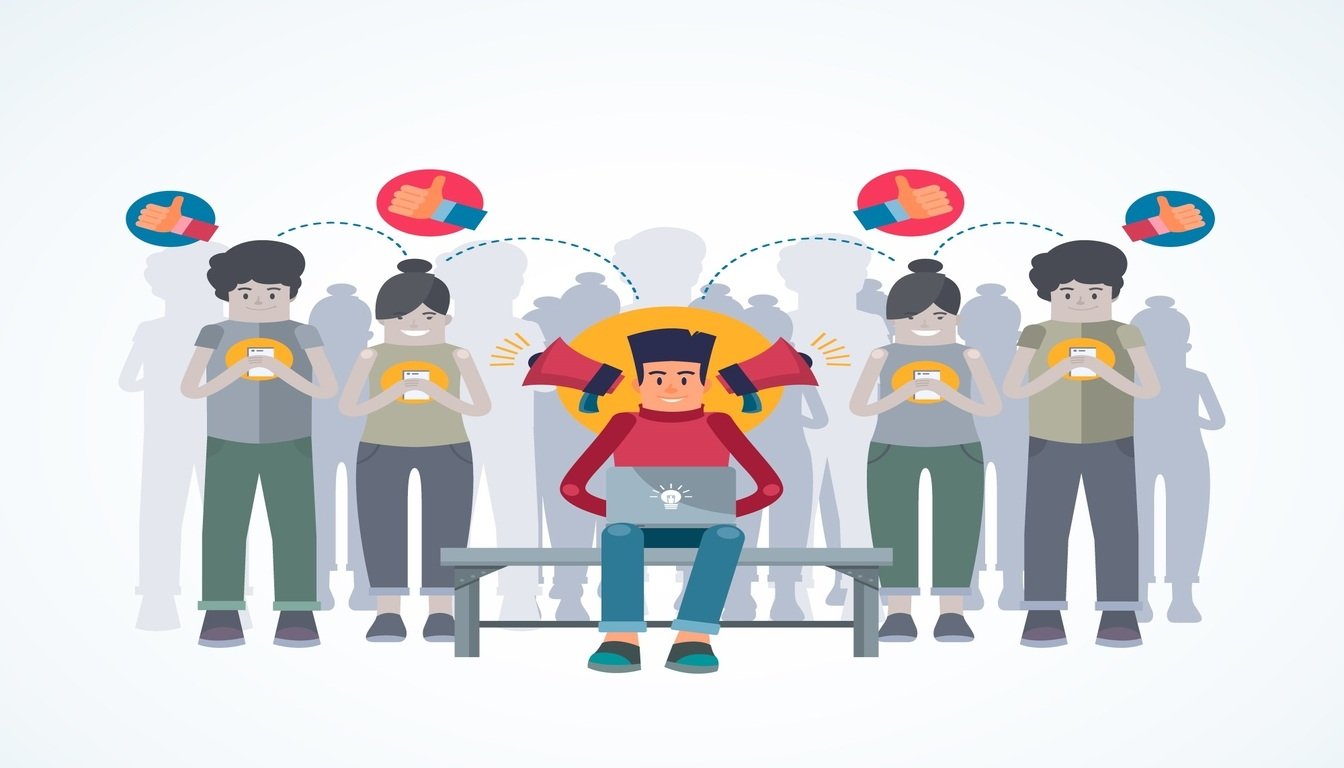
In 2025, brands are waking up to a simple truth. You cannot build a stable business on rented land. Public platforms are noisy, algorithmic, and unpredictable. Communities are not. Across India, brands are quietly building WhatsApp groups, Telegram circles, private Discord rooms, micro-forums, and regional language clusters where their most loyal audience lives. These are not fan clubs. These are high intent spaces where users share, ask, complain, influence, and buy. What makes these communities powerful is not their size but their depth. People behave differently inside them. They open up, they stay longer, and they return even when the brand is not posting. And the brands that learn to design layered content stacks for these communities are the ones building a moat no competitor can copy, because you cannot replicate trust at scale.
Why the Shift From Followers to Communities
Followers are passive. Communities participate. That shift matters because the economics of attention have changed. Public reach is shrinking every month and acquisition costs continue to rise across every major platform. A loyal user inside a closed group is worth more than ten casual scrollers who only see brand content when the algorithm decides to play nice. Communities give brands something rare in 2025: predictable engagement. They allow brands to gather insights in real time, test early, personalise content, and shape product decisions based on honest conversations rather than vanity metrics. This shift is being driven by three clear forces in 2025 India: rising distrust of ads, the explosive growth of micro-language internet, and the convenience of chat-based commerce where people prefer receiving answers in two lines rather than reading long reviews on public feeds. In simple terms, communities reduce guesswork, deepen intent, and close the gap between discovery and conversion.
The New Content Problem: Public Content Does Not Work Inside Communities
Community spaces run on intimacy. They reward honesty, speed, and familiarity. A reel that performs on Instagram will feel loud and promotional inside a WhatsApp group where users expect two way conversations. A LinkedIn style carousel will feel too formal inside a local language Telegram unit where people reply with short voice notes and screenshots. Community-first content has to be conversational, low-friction, platform-native, and built to spark back-and-forth, not one-way broadcasting. This is where most brands fail. They take their social calendar and copy-paste it into their communities. They post instead of facilitating. They inform instead of involving. And they underestimate how quickly communities reject anything that feels like an ad. Good community content moves users from passive to active without feeling like a campaign. It is built to solve, clarify, prompt, and listen. When done right, the community starts talking even when the brand is silent.
Case Studies
Case Study 1: Dot & Key India – WhatsApp Skin Circles (2025)
In early 2025, Dot & Key expanded its loyalty program by building WhatsApp based communities for different skincare concerns. Each group had daily expert check-ins, soft product nudges, user shared routines, and early access drops for upcoming launches. Members treated the groups like personal diaries and shared real skin photos, routine updates, and product reactions. The engagement grew so strong that these conversations started shaping the brand's monthly product priorities. Dot & Key saw higher repeat customers and faster repurchase cycles from these groups compared to paid ads, simply because the groups made the brand feel human and responsive. The community became a feedback engine and a retention machine at the same time.
In early 2025, Dot & Key expanded its loyalty program by building WhatsApp based communities for different skincare concerns. Each group had daily expert check-ins, soft product nudges, user shared routines, and early access drops for upcoming launches. Members treated the groups like personal diaries and shared real skin photos, routine updates, and product reactions. The engagement grew so strong that these conversations started shaping the brand's monthly product priorities. Dot & Key saw higher repeat customers and faster repurchase cycles from these groups compared to paid ads, simply because the groups made the brand feel human and responsive. The community became a feedback engine and a retention machine at the same time.
Case Study 2: Sephora Korea – Private Viber Beauty Rooms (2024-2025)
Sephora tapped into Asia's chat-commerce boom by launching private Viber rooms for K-beauty lovers who wanted expert guidance without scrolling through hundreds of influencer-led tutorials. Inside these rooms, users got first look previews, limited run launches, and member only bundles crafted around trending ingredients. Sephora ran weekly polls to test shades and scents and used those insights to optimise its inventory. These rooms became a discovery engine for niche Korean brands and reduced sampling costs because trial happened through peer trust, not influencer noise. Members often converted within minutes of seeing a peer recommendation, making the community a mini marketplace with built-in social proof.
Sephora tapped into Asia's chat-commerce boom by launching private Viber rooms for K-beauty lovers who wanted expert guidance without scrolling through hundreds of influencer-led tutorials. Inside these rooms, users got first look previews, limited run launches, and member only bundles crafted around trending ingredients. Sephora ran weekly polls to test shades and scents and used those insights to optimise its inventory. These rooms became a discovery engine for niche Korean brands and reduced sampling costs because trial happened through peer trust, not influencer noise. Members often converted within minutes of seeing a peer recommendation, making the community a mini marketplace with built-in social proof.
Case Study 3: Meesho India – Seller Community Forums (2025)
Meesho shifted a large part of its seller support system into private community forums hosted in multiple regional languages. Instead of publishing top-down instructions, Meesho encouraged peer solving. Sellers shared packaging hacks, product titles that worked, order management shortcuts, and growth learnings from their own experience. Meesho studied these conversations to optimise its app UX and frontline support workflows. The impact was direct: faster onboarding, lower churn, and stronger seller retention because the community became a real support system. Sellers trusted sellers more than any official guide. For Meesho, the forums became a living knowledge base that updated itself daily.
Meesho shifted a large part of its seller support system into private community forums hosted in multiple regional languages. Instead of publishing top-down instructions, Meesho encouraged peer solving. Sellers shared packaging hacks, product titles that worked, order management shortcuts, and growth learnings from their own experience. Meesho studied these conversations to optimise its app UX and frontline support workflows. The impact was direct: faster onboarding, lower churn, and stronger seller retention because the community became a real support system. Sellers trusted sellers more than any official guide. For Meesho, the forums became a living knowledge base that updated itself daily.
What Belongs Inside a Community Content Stack
A community stack is not one format. It is a thoughtful mix of content types that serve different purposes across the funnel. The first layer is insight content that teaches, guides, clarifies, and answers the questions users usually search on Google. The second layer is trust content that feels personal and helpful: expert replies, quick polls, live sessions, myth-busting notes, and member spotlight stories. The third layer is action content that nudges users to trials, waitlists, micro-offers, or early access drops without sounding like a sales pitch. When these layers work together, the community never feels dry. Members stay warm even when the brand skips posting for a day. This stack also creates a predictable rhythm. People know what to expect, how to engage, and where they can ask for help. The most successful community-led brands are the ones that document this rhythm and build consistency around it.
Why Local Language Is Unlocking Deeper Engagement
India's regional language internet is expanding at a speed English content cannot match. Communities grow faster when users talk in the language they think in, not the language brands use for campaigns. A Tamil skincare group reads differently from a Gujarati home decor group. A Marathi fitness community might prefer voice notes over text. Community content has to respect these micro-behaviours. Simple language switches increase replies, reduce friction, and make brands feel less corporate. This is why forward thinking brands now produce micro-content in multiple languages even if their main social pages stay English led. When people feel culturally and linguistically seen, they participate more. And participation is the currency that keeps a community alive.
Conclusion
Community-first content is not a channel. It is a competitive moat. In 2025 India, the smartest brands are building ecosystems where users don't just consume content but shape it. These communities reduce acquisition costs, improve retention, and create a feedback loop that makes the brand sharper every month. When users feel heard, they participate. When they participate, they trust. And when they trust, they buy without hesitation. Public platforms will always matter, but owned communities are where a brand builds real resilience. The future of content strategy is not viral. It is intimate, local, conversational, and built around people who choose to stay.
Partner With Us
If you want to build a community-led content strategy that scales, Melange can help you design the full stack. From WhatsApp and Telegram setups to micro-forum formats, multilingual content workflows, and real-time community operations, we create systems that drive participation and business outcomes. Our approach blends audience psychology, platform behaviour, and content design to help brands grow communities that stay active and high intent.
Why Melange
We understand how communities shape modern content strategy. Our work is rooted in behaviour data, regional language insight, and platform-first thinking. We help brands move from broadcasting to facilitating, from followers to participants, and from rented platforms to owned ecosystems. With Melange, you get a team that can build, run, and scale community content stacks that actually convert. If you want your brand to own its audience in 2025 and beyond, we're ready to build that foundation with you.
Follow us: