IPs & PR - Dec 05, 2025
From Products to Experiences: How Micro-Events and Community Activations Are Shaping Brand IP in 2025
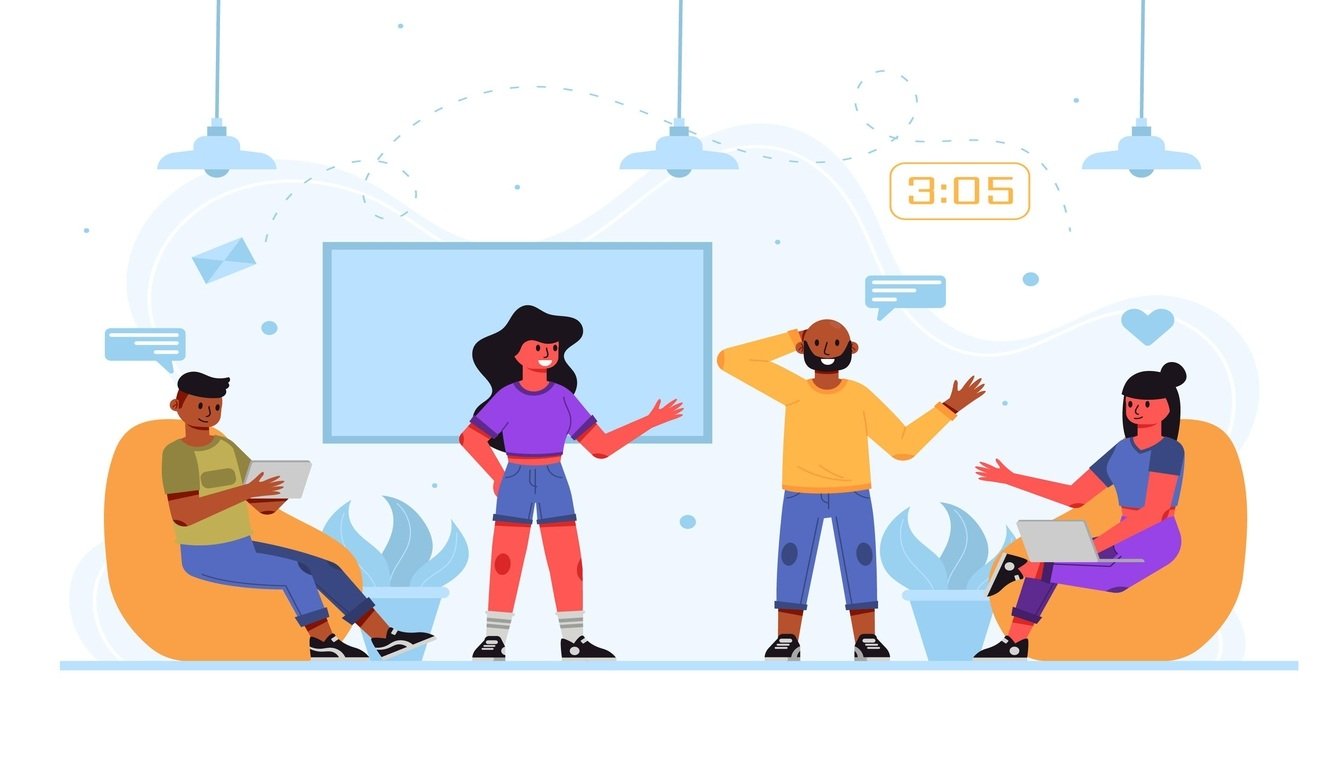
In 2025, brands are learning a hard truth. A great product is not enough. The internet is crowded, creators are overbooked, and paid media delivers diminishing returns. What people crave now is presence. Something they can walk into, touch, feel, hear, and share with their circle. This is why micro-events, pop-ups, and community activations are becoming the new blueprint for brand-building. These experiences give consumers a place to belong. They give brands a way to express their world beyond packaging and posts. And most importantly, they help build brand IP that cannot be copied by a competitor with a bigger budget.
Why Brands Are Moving From Product-First to Experience-First IP
The shift didn't happen overnight. It came from years of fatigue. Endless ads. Repetitive creator collabs. One-size content. Consumers started tuning out because everything felt transactional. Experiences broke that pattern. A pop-up café, a hands-on workshop, a guided sensory walkthrough, or a small rooftop gathering gives people something digital touchpoints can't: memory. When someone enjoys an experience, they talk about it. When they talk, they create stories. And those stories become the brand's IP.
In 2025, experience is the strongest storytelling tool a brand has. It lets them project mood, culture, and values in a way that algorithms can't dilute. A pop-up is not just a moment. It is a message: this is the world we want you to step into. As more brands shift their budgets from pure performance to culture-building, experience-first IP is becoming a strategic moat. Once a brand becomes known for a signature experience, competitors cannot replicate it without looking like a copy.
The Rise of Micro-Events as Brand-Building Tools
Micro-events are winning because they solve the two biggest problems brands face today: relevance and intimacy. People don't want to travel across the city for a generic event. But they will show up for a 25-person meetup hosted in their neighbourhood. They will attend a 45-minute hands-on workshop on a weekend afternoon. They will join a creator-led session if the theme speaks to their life.
A beauty brand can run a concern-based routine workshop. A pet brand can host a weekend training circle. A wellness brand can run a breathwork evening. These are not large productions. They are small, specific, and high-touch. That is why they work. The intimacy of a micro-event creates trust quickly. Consumers get facetime with the brand. They meet others like them. They ask questions they would never comment on a reel. And they leave with a memory linked directly to the brand. Over time, these micro-formats become recognisable IP: a series, a ritual, an identity.
Why Pop-Ups Are Becoming the New PR Engine
Pop-ups sit at the intersection of retail, content, and culture. They give brands a way to enter a city without a permanent store. They become instant content sets for creators. They invite media coverage because they offer something visual and experiential. And they give consumers a fresh way to try products without feeling like they are being sold to.
In 2025, strong pop-ups are no longer just product shelves. They are storytelling spaces. A clean beauty brand might build an ingredient lab where visitors feel, smell, and test formulas. A snack brand might design a nostalgia corner that reminds people of childhood break times. A fashion label might build a small styling arena with creator walk-ins. The more immersive the pop-up, the more PR value it creates. What matters isn't the size. It is the clarity of concept. Pop-ups succeed when they feel like a moment, not a market stall.
Across markets, seasonal pop-ups have become a recurring IP. Some brands drop quarterly themes. Others tour multiple cities. The repetition builds expectation. People wait for the next pop-up as they wait for a product drop. That anticipation is what turns experiences into brand IP.
Case Studies
Case Study 1: Brown Living India – Zero-Waste Experience Labs (2025)
Brown Living turned sustainability into a lived experience by building Zero-Waste Labs in Mumbai and Bangalore. Rather than hosting a generic eco-event, they created hands-on zones where consumers learned upcycling basics, shopped packaging-free, and tested refill options. The workshops were small, tactile, and deeply aligned with the brand's mission. Lifestyle journalists covered them because they showcased a new way to practice sustainability, not just talk about it. The labs now travel to new cities every quarter, forming a signature IP that reinforces Brown Living's position in the green lifestyle space.
Brown Living turned sustainability into a lived experience by building Zero-Waste Labs in Mumbai and Bangalore. Rather than hosting a generic eco-event, they created hands-on zones where consumers learned upcycling basics, shopped packaging-free, and tested refill options. The workshops were small, tactile, and deeply aligned with the brand's mission. Lifestyle journalists covered them because they showcased a new way to practice sustainability, not just talk about it. The labs now travel to new cities every quarter, forming a signature IP that reinforces Brown Living's position in the green lifestyle space.
Case Study 2: Ritual UK – Community Ritual Nights (2024-2025)
Ritual, the wellness brand, used community nights as a retention engine. These weren't fitness events. They were slow, calming evenings hosted in boutique gyms and cafés. Each session included guided breathing, nutrition conversations, expert Q&As, and micro tasting bars for new blends. Members brought friends, creators dropped in casually, and gyms appreciated the added value for their audience. Social content from these nights consistently outperformed Ritual's paid campaigns because it looked real. People were not performing for the camera. They were participating. Ritual's identity evolved from a supplement brand to a wellness culture brand through these experiences.
Ritual, the wellness brand, used community nights as a retention engine. These weren't fitness events. They were slow, calming evenings hosted in boutique gyms and cafés. Each session included guided breathing, nutrition conversations, expert Q&As, and micro tasting bars for new blends. Members brought friends, creators dropped in casually, and gyms appreciated the added value for their audience. Social content from these nights consistently outperformed Ritual's paid campaigns because it looked real. People were not performing for the camera. They were participating. Ritual's identity evolved from a supplement brand to a wellness culture brand through these experiences.
Case Study 3: Blissclub India – Street Fit Pop-Ups (2025)
Blissclub broke out of the traditional retail pop-up pattern by taking their activations to open public spaces. Parks, promenades, jogging tracks. Their Street Fit events included movement sequences, challenges, creator warmups, and on-ground product trials. Women loved the atmosphere because it felt fun, casual, and community-led. The videos were shared widely because they felt spontaneous, not staged. This format became a recurring IP for seasonal drops and boosted Blissclub's reputation as a brand built for real movement, not polished studio shoots.
Blissclub broke out of the traditional retail pop-up pattern by taking their activations to open public spaces. Parks, promenades, jogging tracks. Their Street Fit events included movement sequences, challenges, creator warmups, and on-ground product trials. Women loved the atmosphere because it felt fun, casual, and community-led. The videos were shared widely because they felt spontaneous, not staged. This format became a recurring IP for seasonal drops and boosted Blissclub's reputation as a brand built for real movement, not polished studio shoots.
How Small Brands Can Build Experience IP Without Heavy Budgets
Smaller brands often assume experienced IP is expensive. But the cost lies in concept not scale. A strong experience does not need LED walls, big influencers, or fancy setups. It needs clarity. A pet brand hosting a park meetup. A coffee brand running tasting Saturdays. A stationery brand creating handwriting circles. A home decor brand hosting DIY evenings. These formats work because they offer value first. When the activity aligns with the brand's own story, people remember it. Repeat that format consistently, and it becomes recognisable IP.
The real investment is operational discipline. Clear invitations. Smooth check-ins. Friendly hosts. A few photo-worthy corners. Seamless product integration. And a follow-up content loop that keeps the conversation alive even after the event ends. If the idea is meaningful and the execution is tidy, small brands can build strong, defensible experience IP within months.
Conclusion
2025 marks a turning point in brand building. Social feeds are overcrowded, influencer collaborations are reaching a point of fatigue, and consumer attention is volatile. In this environment, experiences, micro-events, pop-ups, and community activations are becoming the new currency. They offer brands a way to create memorable touchpoints, shape stories, and build IP that lives beyond a product line. For smaller or D2C brands, experiences are not just engagement tools they are growth engines. The brands that successfully translate product stories into tangible, shareable experiences will create loyalty that lasts, advocacy that amplifies organically, and a brand identity that competitors cannot simply copy. Experiences are no longer optional they are essential to owning culture and attention in the modern marketplace.
Partner With Us
If you are looking to create experiences that transform your brand into a cultural marker, Melange can help. We design micro-events, pop-ups, and community activations that align with your story, resonate with your audience, and scale sustainably. From concept to execution, our team ensures every touchpoint digital or physical delivers value, creates memory, and strengthens brand IP. We combine strategic insight, creative storytelling, and operational precision to craft activations that drive loyalty, PR coverage, and measurable growth. When you partner with Melange, your brand doesn't just participate in culture; it shapes it.
Why Melange
Melange understands that modern brands compete for attention and trust, not just clicks and impressions. We specialize in designing experiences that feel real, memorable, and repeatable. Our approach integrates digital storytelling, community engagement, and offline activations to create IP that is defendable and scalable. We know how to transform a product into a cultural touchpoint, a moment into a movement, and a first-time visitor into a lifelong advocate. If your goal is to build a brand that is experienced, shared, and remembered, Melange provides the strategy, design, and execution expertise to make it happen.
Follow us: