Design & Development - Dec 03, 2025
Sustainable Design and Packaging: Why 2025 Consumers Judge Before They Click Buy
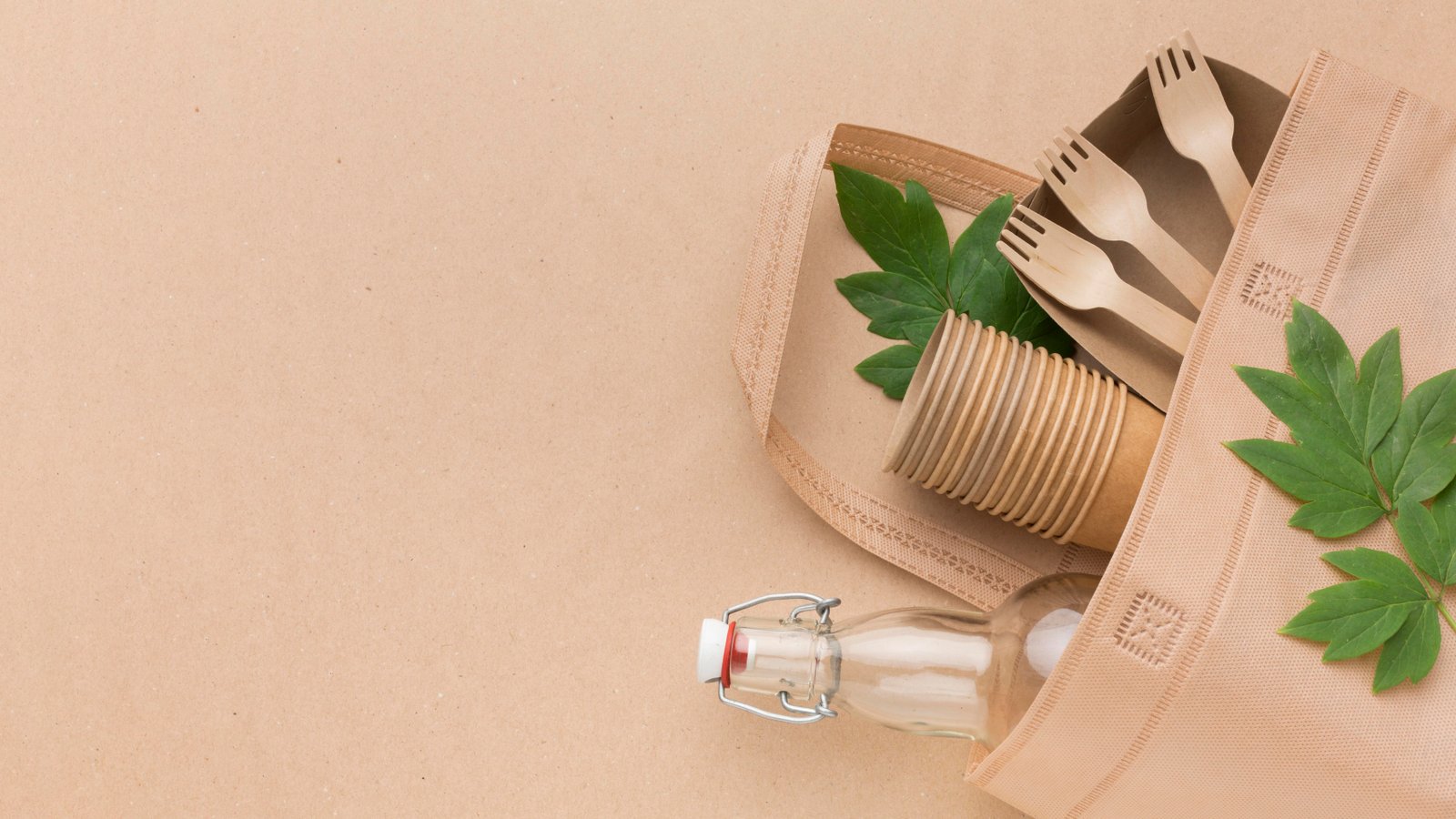
Sustainability has moved from a nice-to-have to a default expectation. In 2025, the first impression of any product isn't the ad, the influencer, or even the price. It's the packaging. Consumers judge the brand before they click buy because packaging signals the brand's values, honesty, and long-term intent. Eco-conscious choices are no longer limited to niche markets. They influence everything from daily essentials to luxury categories. Whether a brand is selling shampoo, sneakers, snacks, or skincare, the demand is the same: reduce waste, use better materials, and be transparent about how things are made. This shift is reshaping how design and development teams work, pushing brands to build products that don't just look good but make sense for the planet and the buyer.
Why Sustainability Is Now a Design-First Expectation
The design conversation has changed from aesthetics to responsibility. Consumers expect brands to simplify, reduce, and rethink how products are packaged and delivered. Over-designed boxes, unnecessary layers, and glossy plastics are now brand turn-offs. People want packaging that feels intentional and light, not wasteful or performative. The rise of climate awareness, better access to information, and global regulatory pressure have made sustainability a baseline that audiences check without thinking. They notice material texture, recyclability, refillability, and whether the product aligns with their values. Brands that fail this first test struggle to build trust, no matter how strong their marketing is. The sustainability era has taught the modern buyer one thing: design reflects ethics.
How Transparent Design Is Shaping Brand Trust in 2025
Visual transparency is becoming essential. Today's buyer wants to see what they're paying for and how it's made. Clear labelling, simple instructions, honest ingredient lists, and visible sustainability commitments help brands win credibility. People reward brands that communicate openly about their materials and processes. When packaging explains why it exists, how to recycle it, and what impact it reduces, it becomes a brand experience instead of an afterthought. This level of clarity reduces confusion and builds stronger loyalty because buyers feel informed rather than marketed to. For design teams, this means simplifying copy, highlighting facts, and avoiding vague terms. Words like natural, clean, or eco-friendly no longer work unless backed by specifics. Transparency has become the new visual language.
Case Studies
Case Study 1: The Body Shop's Refill Revolution and Packaging Redesign
The Body Shop expanded its global refill program in 2025 with redesigned aluminum containers that replaced heavy plastics across multiple categories. Their new system simplified replenishment and reduced packaging waste at scale. Stores introduced refill stations that made the process quicker and more hygienic. Online shoppers received lightweight refill pouches that cut material usage by over fifty percent. This shift helped The Body Shop reposition itself as a modern ethical brand, not just a legacy player. Their packaging redesign proved that sustainability could drive both convenience and brand relevance without compromising experience.
The Body Shop expanded its global refill program in 2025 with redesigned aluminum containers that replaced heavy plastics across multiple categories. Their new system simplified replenishment and reduced packaging waste at scale. Stores introduced refill stations that made the process quicker and more hygienic. Online shoppers received lightweight refill pouches that cut material usage by over fifty percent. This shift helped The Body Shop reposition itself as a modern ethical brand, not just a legacy player. Their packaging redesign proved that sustainability could drive both convenience and brand relevance without compromising experience.
Case Study 2: Patagonia's Low-Impact Textile Packaging System
Patagonia reworked its entire packaging line by switching to recycled paper sleeves for outerwear and biodegradable wraps for base layers. They introduced scannable tags that explained the footprint of each product from fiber sourcing to delivery. This level of clarity strengthened Patagonia's relationship with environmentally aware consumers who valued honesty over polish. The new system reduced plastic consumption drastically and created a packaging identity that felt aligned with the brand's mission. It also positioned Patagonia as a global example of how sustainable design can blend with strong storytelling.
Patagonia reworked its entire packaging line by switching to recycled paper sleeves for outerwear and biodegradable wraps for base layers. They introduced scannable tags that explained the footprint of each product from fiber sourcing to delivery. This level of clarity strengthened Patagonia's relationship with environmentally aware consumers who valued honesty over polish. The new system reduced plastic consumption drastically and created a packaging identity that felt aligned with the brand's mission. It also positioned Patagonia as a global example of how sustainable design can blend with strong storytelling.
Case Study 3: Lush UK's Solid-Format Design That Eliminates the Need for Packaging
Lush continued expanding its naked product line in 2025 with more solid shampoos, conditioners, and cleansers designed to eliminate packaging entirely. Their stores adapted to showcase the products without plastic or paper, allowing customers to feel textures and fragrances directly. This format reduced shipping weight, increased product lifespan, and aligned with consumer demand for zero-waste alternatives. Lush's approach reframed packaging reduction as part of the product experience, proving that design innovation sometimes starts by removing rather than adding.
Lush continued expanding its naked product line in 2025 with more solid shampoos, conditioners, and cleansers designed to eliminate packaging entirely. Their stores adapted to showcase the products without plastic or paper, allowing customers to feel textures and fragrances directly. This format reduced shipping weight, increased product lifespan, and aligned with consumer demand for zero-waste alternatives. Lush's approach reframed packaging reduction as part of the product experience, proving that design innovation sometimes starts by removing rather than adding.
Why Sustainable Materials Are Driving New Design Standards
More brands are shifting to materials that match consumer expectations and regulatory guidelines. Recycled paper, plant-based plastics, aluminum, glass, and compostable blends are becoming standard. The challenge is balancing durability with lower impact. Material choice now signals the brand's awareness of global issues and its willingness to invest in better alternatives. The brands doing this well test for strength, safety, and shelf life rather than simply switching to greener-looking options. Sustainable materials are setting design benchmarks across industries because consumers have learned to identify genuine efforts from surface-level claims. If the packaging looks responsible, the brand feels responsible.
How Minimal Packaging Is Improving Consumer Experience and Perception
Minimalism is no longer an aesthetic choice. It's an ethical one. People are tired of unboxing layers that serve no purpose. In 2025, minimal packaging has become synonymous with modern design. It reduces clutter, simplifies disposal, and makes the product feel more premium. The rise of online shopping accelerated this shift because waste became more visible with every delivery. Brands that embrace minimalism create cleaner, smoother first impressions. They also reduce cost and storage challenges. This approach helps products stand out on shelves and online because buyers trust brands that don't hide behind packaging for perceived value. Minimalism has become a sign of confidence.
Conclusion
2025 consumers expect sustainable design before they consider value, performance, or hype. Packaging is the first touchpoint where brands prove their intent. It communicates whether the brand cares about its impact and whether it respects the buyer's expectations. As audiences grow more informed, they look for honesty, clarity, and reduced waste at every step. Brands that redesign with purpose build stronger trust and long-term equity. Sustainability is no longer a seasonal campaign theme. It's a design standard that shapes how products are made, shipped, and understood. The brands that embrace this new reality will stand out in a crowded market where responsible design is the new definition of good design.
Partner With Us
If you want to build products and packaging that align with modern expectations, Melange can guide you through the process. We build sustainable design frameworks that balance creativity, cost, and impact. Our approach helps brands strengthen perception, improve customer experience, and meet the new sustainability benchmarks without compromising aesthetics or functionality. Whether you're reworking packaging, refreshing your design language, or developing new product lines, our team brings clarity and structure to every stage.
Why Melange
We understand how sustainability influences design, development, and consumer trust. Our work blends insight, technical understanding, and storytelling to help brands create products that feel responsible and relevant. We study global trends, material innovation, audience behavior, and regulatory shifts to design solutions built for long-term value. Partnering with Melange means bringing honesty, intention, and modern design thinking into your brand's next chapter. If you want to build packaging and products that speak to the 2025 consumer, we're ready when you are.
Follow us: